
NI-MH AA300mAh (EU) turnover time:2026-09-04 number of clicks:585次
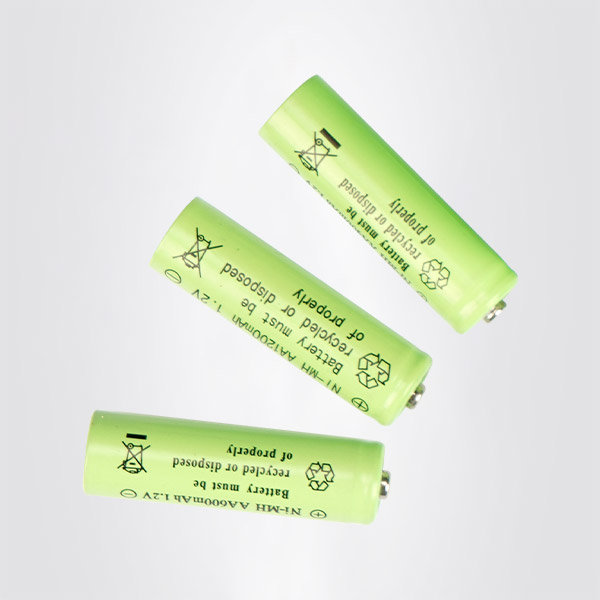
Battery Category:Portable/Ni-MH Chemistry:NiOH
Model:AA300mAh /Batch No.:SUN2609-001
Weight:10.8±0.5g Rated Voltage:1.2V
Rated Capacity:300 mAh /0.36 Wh
Hazardous Substances:None above regulatory thresholds
Suitable Extinguishing Agent:Water Spray, Foam
Critical Raw Materials:NiOH KOH FeO LaNi5 Graphite power
HUIXIAN SUNRISE POWER SOURCE CO.,LTD.
Add:West Suokelou Huqiao Huixian Henan China
E-mail:Sunrising@sunrise-battery.com
Made in China(Henan)/Date:09/2026
I. General information:
The hazardous substances present in the battery, other than mercury, cadmium, or lead:
Nickel, nickel hydroxide, cobalt oxide, potassium hydroxide, sodium hydroxide, lithium hydroxide.
Usable extinguishing agent: Water spray, dry powder. Foam.
Critical raw materials present in the battery in a concentration of more than 0.1% weight by weight:
Cobalt, light rare earth elements, manganese, graphite, nickel—battery grade.
II. Information regarding the prevention and management of waste batteries
l Batteries may contain hazardous substances. Improper disposal can harm the environment, human health, or safety.
l Do not dispose of batteries with unsorted municipal waste—dispose of them separately.
l End-users are legally obliged to return used batteries free of charge to a designated collection point or sales outlet. Dispose of used batteries according to local environmental regulations.
l All batteries included can be safely removed by the end-user for disposal.
l Do not dismantle, open, or shred the batteries.
l Do not expose batteries to heat or fire. Avoid storage in direct sunlight.
l Do not mix collected batteries with other materials.
l Protect battery terminals, and store collected batteries in a clean, dry, and well-ventilated environment out of direct sunlight and away from extreme heat.
l Do not short-circuit batteries. Do not store batteries haphazardly in a box or drawer where they may short-circuit each other or be short-circuited by other metal objects.
l Do not dispose of batteries in fire except under conditions of approved and controlled incineration.
l Do not subject batteries to mechanical shock.
l Keep batteries clean and dry.
l Do not expose batteries to water, including seawater.
l Do not store batteries where condensation occurs.
l Wipe the battery terminals with a clean, dry cloth if they become dirty.
l Dispose of batteries responsibly and properly. Keep batteries of different electrochemical systems separate from each other.
l Keep batteries out of the reach of children.
l Seek medical advice immediately if a battery has been swallowed.
l In the event of a battery leaking, do not allow the liquid to come in contact with the skin or eyes. If contact has been made, wash the affected area with copious amounts of water.mounts of water and seek medical advice.


III. Informacje ogólne:
Tsubstancje niebezpieczne obecne w baterii, z wyjątkiem rtęci,kadm, lub prowadzić:
Nikl, wodorotlenek niklu, tlenek kobaltu, wodorotlenek potasu, wodorotlenek sodu, wodorotlenek litu.
Użyteczny środek gaśniczy: Pianka. Prószek suchy. Strumień wody.
CKrytyczne surowce obecne w baterii w stężeniu powyżej0.1% masa do masy:
CObalt, lekkie pierwiastki ziem rzadkich, mangan, grafit, nikiel — klasy akumulatorowej.
IV. IInformacje dotyczące zapobiegania powstawaniu i zarządzania odpadami bateriami
l Baterie mogą zawierać substancje niebezpieczne. Nieprawidłowe utylizowanie może szkodzić środowisku, zdrowiu ludzkiemu lub bezpieczeństwu.
l Nie wywozić baterii razem z nieprzedsortowanymi odpadami komunalnymi.Odpady—usuń z nich osobno.
l Końcowi użytkownicy są prawnie zobowiązani do bezpłatnego oddawania zużytych baterii do wyznaczone miejsce zbierania lub punkt sprzedaży. Użyte baterie należy utylizować zgodnie z lokalnymi przepisami ochrony środowiska.
l Wszystkie zawarte baterie mogą być bezpiecznie wyjęte przez użytkownika końcowego dla Utylizacja.
l Nie rozbierać,otwarty, lub rozdrabniać baterie.
l Nie wystawiaj baterii na działanie ciepła ani ognia. Unikaj przechowywania w bezpośrednim promieniowaniu słonecznym.
l Nie mieszać ze sobą zbieranych baterii z innymi materiałami.
l Zabezpiecz zaciski akumulatora i przechowuj zebrane baterie w czystym,suchy, i Dobrze wentylowane środowisko, z dala od bezpośredniego światła słonecznego i ekstremalnych warunków. Ciepło.
l Nie zwarcia baterii. Nie przechowuj baterii bezładnie w pudełku. lub szufladę, w której mogą się zwierzyć ze sobą lub zostać zwartozwarcane przez inne metalowe przedmioty.
l Nie wyrzucaj baterii do ognia, chyba że w odpowiednich warunkach zatwierdzonych. i kontrolowane spalanie.
l Nie poddawaj baterii wstrząsom mechanicznym.
l Zachowaj baterie w czystości i suchu.
l Nie wystawiaj baterii na działanie wody, w tymWoda morska.
l Nie przechowuj baterii w miejscach, w których występuje kondensacja.
l Wyczyść zaciski akumulatora ściereczką.czysty, Suchą szmatką, jeśli staną się brudne.
l Wykluczyćz baterii Odpowiedzialnie i odpowiednio. Trzymaj się baterie różne Systemy elektrochemiczne są oddzielone od siebie.
l Trzymaj baterie w miejscu niedostępnym dla dzieci.
l Niezwłocznie skontaktuj się z lekarzem, jeśli połknięto baterię.
l W przypadku wycieku baterii nie dopuszczaj, aby płyn dostał się do wnętrza. kontakt z skórą lub oczami. W przypadku kontaktu należy umyć... Zachwycany obszar z obficieIlości wody.Zapewnij się o dostateczne zapasy wody i skontaktuj się z lekarzem.
 EU_Declaration_of_Conformity.pdf
Previous: Ni-MH AA800mAh 1.2V (WQF)
Next: NI-MH AA150mAh (EU)
 Yugong net anbei 41078202000175